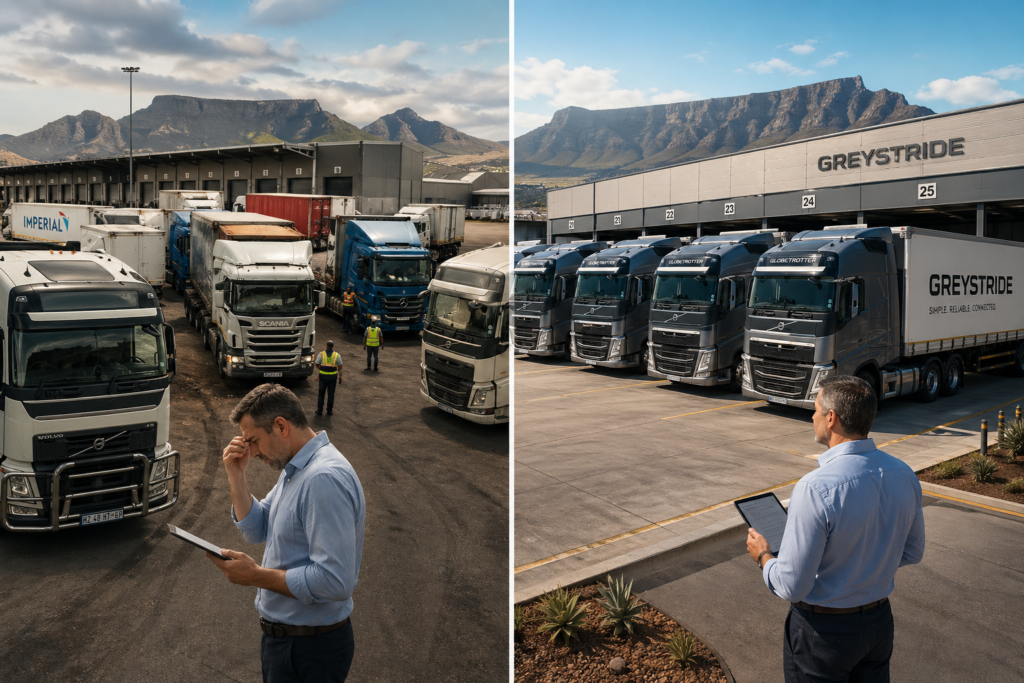
The Real Risk of Using Too Many Transporters On the surface, using multiple transporters feels like a smart risk strategy.More trucks. More options. Less dependency.But in practice, the opposite often happens.What starts as flexibility quickly turns into complexity — and complexity is where performance begins to break down. The Illusion of “More = Better” Many load providers spread their work across multiple transporters to reduce risk.It sounds logical:If one fails, another can step inCapacity is always availableYou’re not dependent on a single supplierBut this approach creates a hidden problem:You’re not managing transport anymore — you’re managing chaos.Every additional transporter introduces:Another communication channelAnother operational standardAnother level of unpredictabilityInstead of reducing risk, you multiply it. Complexity Always Shows Up Somewhere Transport is not just about moving goods from A to B.It’s about:TimingCoordinationReliabilityConsistencyWhen too many transporters are involved, cracks begin to show: 1. Communication Breakdowns Different transporters operate differently.Some confirm loads properly.Others don’t.Some escalate issues early.Others go silent until it’s too late.Now multiply that across five, ten, or more operators.Important details get lost.Assumptions replace clarity.Delays become reactive instead of preventable. 2. No Single Point of Accountability When something goes wrong, who owns the problem?The transporter?The planner?The warehouse?With too many transporters, responsibility becomes diluted.Issues get passed around instead of solved.And in critical moments, that lack of accountability costs time, money, and trust. 3. Inconsistent Service Levels Not all transporters operate at the same standard.Even if they are all “approved,” there are always differences in:Driver qualityVehicle conditionRoute disciplineCommunication habitsThe result?Your operation becomes inconsistent.Some deliveries run perfectly.Others create disruption.That inconsistency makes planning harder — and reliability suffers. 4. Operational Inefficiency Managing multiple transporters increases internal workload significantly.Your team spends more time:CoordinatingFollowing upFixing avoidable issuesInstead of focusing on efficiency and optimisation, they are stuck managing exceptions.And over time, this becomes your normal. The Hidden Cost: Loss of Control The biggest risk isn’t delays.It’s the gradual loss of control over your transport operation.When complexity increases:Visibility decreasesDecision-making slows downPerformance becomes reactiveYou’re no longer running a structured transport strategy.You’re constantly adjusting to problems. A Smarter Approach: Managed Simplicity High-performing operations don’t rely on endless transport options.They rely on structured, controlled networks.This is where a managed network approach changes everything. What a Managed Network Looks Like Instead of working with “as many transporters as possible,” the focus shifts to:Fewer, Better TransportersA smaller, vetted group of transporters who meet strict standards. Clear Accountability Each transporter knows exactly what is expected — and is held accountable for performance. Consistent Communication Standardised processes for:Load confirmationsUpdatesEscalationsNo guesswork. No gaps. Performance Visibility You can track:On-time deliveryReliabilityService consistencyAnd make decisions based on real performance — not assumptions. Why This Matters More in South Africa In the South African transport environment, variability is already high:Long distancesInfrastructure pressureOperational risksTight delivery windowsAdding unnecessary complexity on top of this doesn’t create resilience — it amplifies risk.Simplicity, structure, and control become even more critical. The Bottom Line Using more transporters doesn’t automatically reduce risk.In many cases, it creates:More inefficiencyLess accountabilityLower reliabilityThe strongest transport operations are not built on volume.They are built on control, consistency, and trusted capacity. Final Thought The question isn’t:“How many transporters do you have?”It’s:“How well is your transport network managed?”Because in logistics, simplicity isn’t a limitation.It’s a competitive advantage.